What is LeseLab?
LeseLab is a collaborative initiative that explores how reading can be enhanced through technology, creativity, and participation. It brings together children, educators, designers, and researchers to jointly design new ways of experiencing reading.
We develop and study Digital Augmented Reading (DAR) directly in real educational settings such as schools and after-school programs, ensuring that technologies are created and tested in authentic learning contexts.

Milestones & Ongoing Work
2024
Foundation of LeseLab
STREEN Focus & Creator Mode
Establishment of the first LeseLab activities in collaboration with a primary school in Kamp-Lintfort, introducing the “LeseLab Creator” approach.
LeseLab was initiated as a user-centred design environment where children, educators, and researchers collaboratively design and refine digitally augmented reading technologies within real school contexts. The activities were implemented as a weekly extracurricular format, enabling sustained engagement and iterative user-centred design cycles.
The initial focus was on the development and exploration of STREEN as the first core LeseLab tool. Early prototypes were brought directly into classrooms, allowing children to actively participate in design thinking processes while engaging with novel reading technologies.
2025
Expansion to Multiple Educational Contexts
STREEN Refinement & Contextual Adaptation
LeseLab expanded from a single-school setting to multiple primary schools and a school for special needs, while maintaining its core “LeseLab Creator” approach. Weekly and monthly sessions enabled sustained engagement and broader participation across diverse educational contexts.
In special needs education settings, implementation required closer collaboration with educators due to the need for more adaptive, differentiated, and teacher-supported interaction formats. This phase supported the continued refinement of STREEN and the validation of the LeseLab approach under real-world variability in learners, settings, and institutional conditions.
Structured evaluation across school contexts indicated high levels of acceptance, engagement, and perceived learning impact for LeseLab activities (including STREEN and Tangents).
Development of Tangents
Design Space Expansion
Development of Tangents, a new LeseLab tool extending the LeseLab design space beyond tablet-based reading interactions toward tangible, embodied interaction and from reading-focused activities toward storytelling and creative authorship.
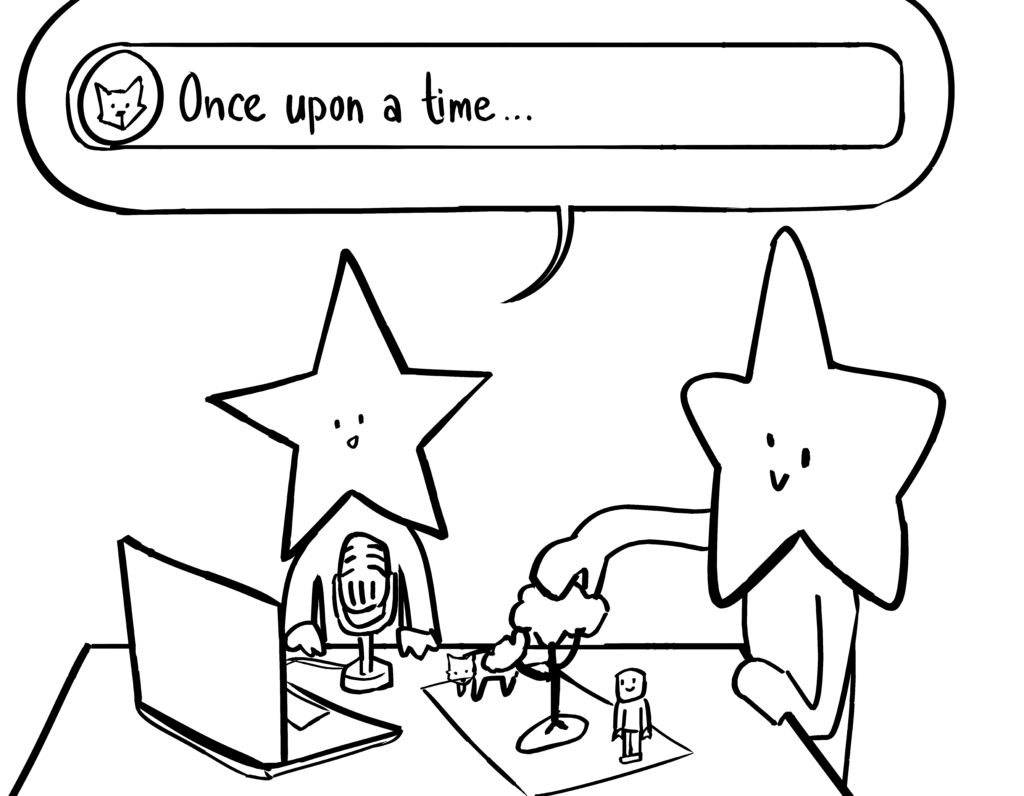
Tangents is an AI-supported tangible storytelling system that integrates physical manipulation, storytelling, and generative AI. It was developed through iterative user-centred design cycles within LeseLab, alongside the continued refinement of existing systems such as STREEN.
This milestone marks a deliberate expansion into new regions of the digital reading design space, focusing on embodied, multisensory, and action-based storytelling as complementary modalities for literacy support.
The Tangents system and its design process were published at the ACM Interaction Design and Children (IDC) 2025 conference.
2026
Development of Streenaut
Spatial & Exploratory Reading
Conceptualization and prototyping of Streenaut, a new LeseLab tool exploring location-based and movement-oriented reading experiences.
Streenaut extends the LeseLab design space toward spatial exploration, collaborative problem-solving, and physically situated reading activities through treasure-hunt-inspired interactions. The system investigates how movement, environment, and social collaboration can support reading motivation and engagement.
Development of LeseLab World
Online Community Platform
Development of LeseLab World, an online community platform designed to connect schools, educators, researchers, families, and educational partners around digitally augmented reading technologies and collaborative learning initiatives.
The platform aims to support the dissemination, documentation, and long-term evolution of LeseLab tools and practices by providing access to resources, project showcases, communication spaces, and future participatory learning activities.
How does it work?
Discover the core elements that make up the LeseLab experience, both online and in your local community.
LeseLab Creator
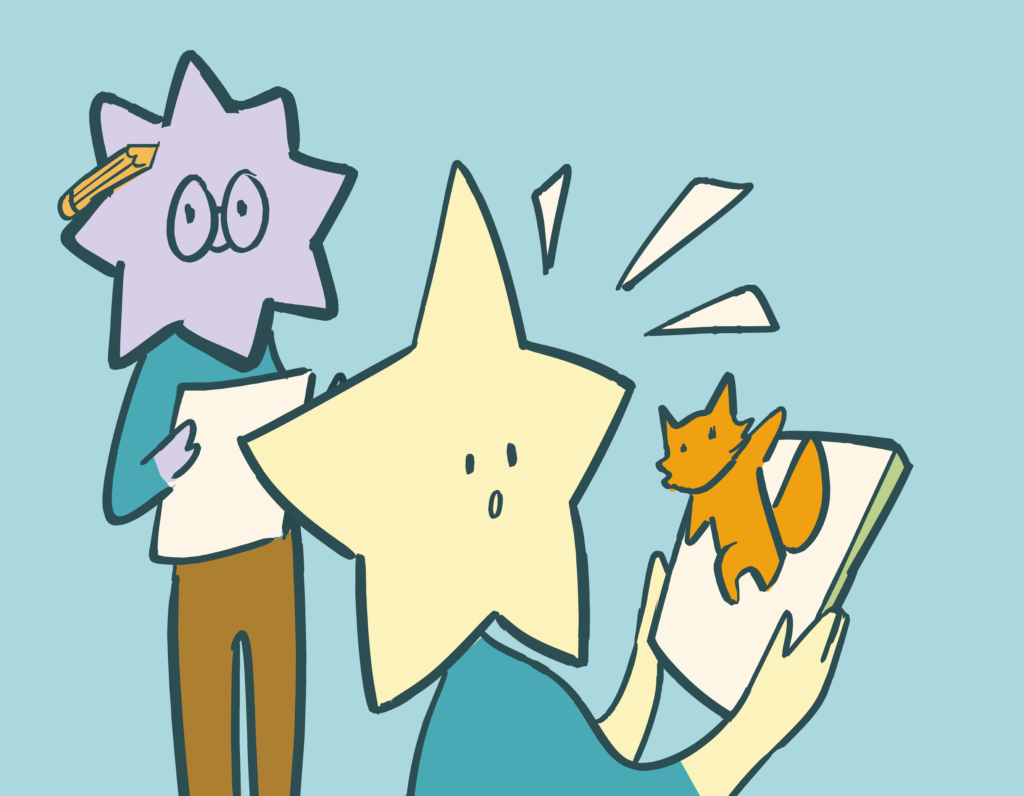
We are introduced to User-Centered Design (UCD) where children are involved in the design and creation process in educational institutions such as schools. By actively sharing feedback and shaping the technology, reading becomes interactive and exciting.
LeseLab Play
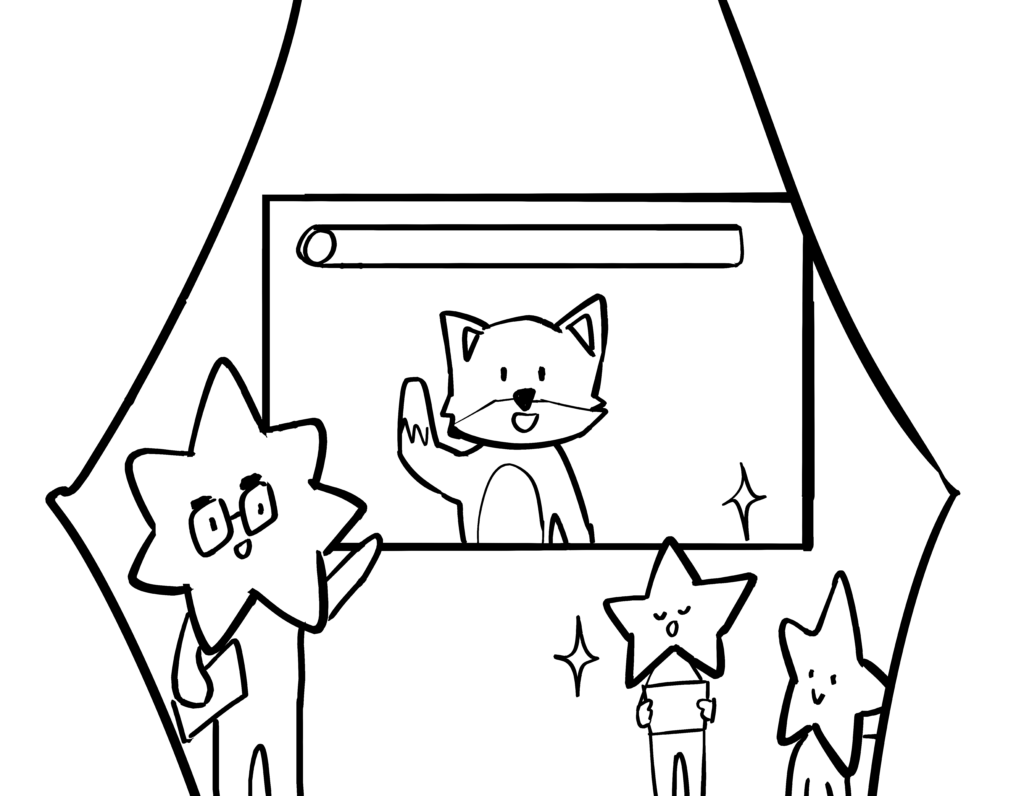
This involves using the tools in classrooms to improve reading, while developing pedagogical concepts for OGS (Offene Ganztagsschule, or Open all-day schools) settings, curricular integration, and project-week activities.
LeseLab Tool
Of course that means we have to make use of various tools to achieve that. These Digital Augmented Reading technologies are conceptualised, developed, tested, and systematically refined to function as tools that can be explored and repurposed.
LeseLab World
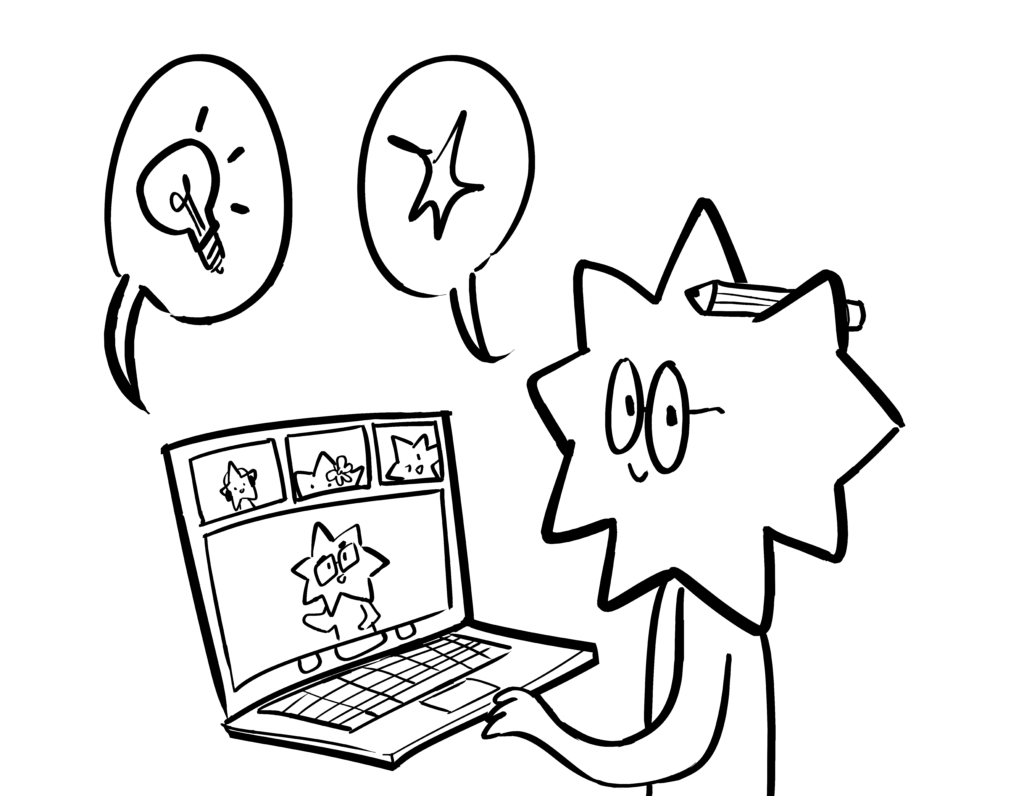
The online platform is designed to connect educators, researchers, designers, and families. People come together virtually from all over the world to share their ideas, tools and resources. The goal for this is to cultivate an inclusive and sustainable community, whilst practicing augmented literacy.
LeseLab Centre
The ultimate goal would be to have a physical community hub that would specialise in providing in-person demonstrations and outreach. This would include hands-on demonstrations of tools like STREEN, encouraging cross-school collaboration and community engagement.